
Drastic reductions in energy costs can be achieved through very simple changes, most of which homeowners can do themselves.
How a Pre-Purchase Home Inspection Helps Atlanta Buyers Avoid Costly Surprises
June 22, 2026When you’re considering buying a home in Atlanta, the last thing you want is to be blindsided by unexpected expenses after the purchase. A Pre-purchase home inspection Atlanta is an essential step to mitigate those risks. By hiring an Experienced home inspector Atlantaa, you gain a detailed evaluation of the property’s structural integrity, electrical systems, plumbing, and HVAC performance.
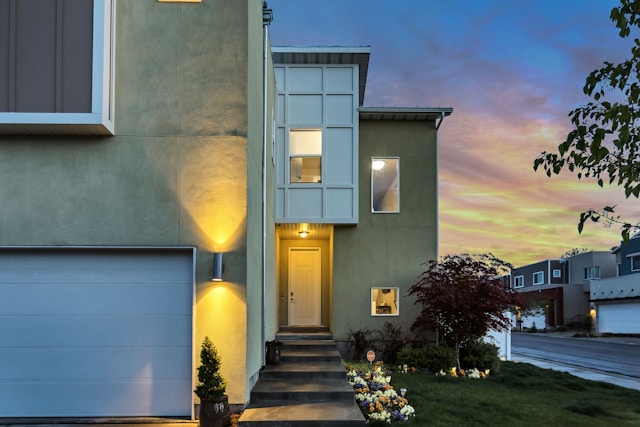
The inspection process typically uncovers issues that could lead to costly repairs, such as roof leaks, faulty wiring, or plumbing failures. Once the inspection is complete, you’ll receive a thorough home inspection report for buyers, highlighting both significant concerns and minor issues. This report provides color photographs and repair recommendations, which can serve as a negotiation tool when discussing the price or requesting repairs from the seller.
Arming yourself with this information can help you avoid substantial post-purchase surprises, leading to better decision-making. Understanding the property’s condition empowers you to plan future maintenance and budget accordingly. Ultimately, a pre-purchase home inspection not only safeguards your investment but also guarantees peace of mind, making the home-buying process smoother and safer.
Introduction
A pre-purchase home inspection stands as an essential step for buyers in Atlanta, allowing them to make informed decisions in a competitive real estate market. By hiring an InterNACHI certified home inspector GA, you can benefit from a thorough evaluation of the property’s condition. This inspection not only assesses the structural integrity but also reviews vital systems like plumbing, electrical wiring, and HVAC performance.
As part of an Atlanta home inspection checklist, the inspector will identify potential issues, including roofing problems, foundation damage, or deferred maintenance items. This detailed report helps you understand any risks and necessary repairs before you finalize your purchase. Being aware of these factors means you can negotiate terms or make informed decisions about your investment.
Moreover, pre-purchase inspections are essential for avoiding homebuyer surprises that could lead to costly repairs down the line. By taking this proactive measure, you’ll gain peace of mind, knowing you’ve done your due diligence. Ultimately, a pre-purchase home inspection equips you to engage confidently in the Atlanta real estate market, ensuring that your new home is a sound investment.
Overview of Greene Home Inspection Services and Experience
Greene Home Inspection has been a trusted name in Atlanta home inspections since 1985, offering extensive services tailored to meet the unique needs of homebuyers. As you prepare for your real estate journey, you’ll appreciate the thoroughness of their Residential property inspection. Greene’s team specializes in property condition evaluation Atlanta, ensuring that all critical aspects of the home are meticulously assessed.
Their inspectors are knowledgeable about the local market and regulations, providing you with insights that go beyond the typical visual inspection. They adhere to InterNACHI standards, which means you can expect a detailed analysis of the property’s condition, covering everything from the roof to the foundations. You’ll receive a detailed report highlighting any potential issues and recommendations for repairs, empowering you to make informed decisions.
Additionally, Greene Home Inspection values clear communication, making sure you understand their findings while answering any questions you may have. Their extensive experience and commitment to quality service have made them a reliable choice for Atlanta buyers seeking a dependable real estate inspection Atlanta. You can confidently approach your home purchase, knowing that Greene is on your side.
Evaluating Structural and Exterior Components: Foundation, Roof, Walls, Siding, Windows, Doors, Decks, and Driveways
Understanding a home’s structural and exterior components is essential for any prospective buyer. During your due diligence home inspection, an inspector will assess critical areas such as the foundation, roof, walls, siding, windows, doors, decks, and driveways. Inspecting the foundation is vital as any cracks or shifting can indicate serious structural issues. The roof must also be thoroughly examined for missing shingles or leaks that could lead to water damage.
The walls and siding will reveal any signs of rot or pest infestation, while windows and doors should open and close easily, and be free of drafts. Additionally, decks need to be structurally sound, with no rotting wood or loose railings, as they can pose safety risks. Driveways should be checked for cracks or uneven surfaces that could require repair.
Electrical System Inspection: Panels, Wiring, Outlets, GFCI and AFCI Safety Checks
When it comes to buying a home, inspecting the electrical system is essential for guaranteeing safety and functionality. An electrical system inspection evaluates key components such as panels, wiring, and outlets. You’ll want to verify that the electrical panel is up to code and capable of handling the home’s power demands. Outdated panels can pose fire hazards, so this assessment is vital.
The wiring throughout the house also needs scrutiny. Inspectors look for frayed or exposed wires, improper connections, and old materials. These issues not only compromise safety but can also lead to costly repairs if left unaddressed.
Additionally, testing outlets verifies they’re functioning properly, which includes checking for the presence of ground fault circuit interrupters (GFCI) in areas like kitchens and bathrooms. GFCI outlets help prevent electrical shock in wet conditions. Similarly, arc fault circuit interrupters (AFCI) are significant for avoiding electrical fire risks, particularly in living spaces.
Plumbing System Inspection: Supply Lines, Drain Pipes, Fixtures, Water Heater, and Sewer Lines
A thorough plumbing system inspection is crucial for identifying potential issues that could lead to significant problems down the line. During this inspection, the inspector will evaluate the supply lines, drain pipes, fixtures, water heater, and sewer lines.
First, they’ll examine the supply lines to verify they’re leak-free and made from appropriate materials. Then, the drain pipes will be checked for clogs or slow drainage, which can indicate underlying problems. The fixtures, such as sinks and faucets, will be assessed for functionality and signs of wear or leaks.
Next, the water heater is a critical component. Inspectors will check its age, capacity, and whether it meets your needs. Additionally, they’ll look for corrosion or signs of leakage, as these can become costly issues.
Lastly, evaluating the sewer lines is crucial. Inspectors may use cameras to detect blockages or damage that could lead to sewage backups. Identifying these issues early on allows you to negotiate repairs or reconsider the purchase, verifying you don’t face unexpected plumbing expenses after you move in.
HVAC System Evaluation: Air Conditioner, Furnace, Heat Pump, Ductwork, Thermostat, and Ventilation
Evaluating the HVAC system is fundamental for guaranteeing comfortable and efficient living conditions in your new home. During this inspection, a qualified inspector will assess various components, including the air conditioner, furnace, heat pump, ductwork, thermostat, and ventilation.
The air conditioner and furnace are critical for regulating temperature. Inspectors will check their operational efficiency, looking for any signs of wear and tear that could lead to costly repairs. The heat pump’s performance will also be evaluated, particularly if your home uses it for both heating and cooling.
Ductwork plays a crucial role in air distribution. Inspectors will examine it for blockages, leaks, or insufficient insulation that could compromise air quality and energy efficiency. Thermostat functionality is another focus, as a faulty thermostat can lead to temperature inconsistencies and increased energy bills.
Don’t overlook ventilation, which is imperative for maintaining indoor air quality. Inspectors will assess ventilation systems to guarantee they adequately circulate fresh air throughout your home. A thorough evaluation of your HVAC system can help you avoid unexpected repair costs and guarantee a comfortable living environment for years to come.
Interior Safety Check: Floors, Ceilings, Walls, Stairs, Insulation, Smoke, and CO Detectors
Making certain your new home is not just comfortable but also safe involves a thorough interior safety check, which includes examining floors, ceilings, walls, stairs, insulation, and the functionality of smoke and carbon monoxide detectors. During this inspection, the inspector will assess the condition of your floors, verifying they’re free from hazards like loose boards or uneven surfaces that could lead to falls. Ceilings and walls are scrutinized for cracks or signs of structural compromise.
Stairs are another essential focus; they need to adhere to safety standards, including secure railings. Insulation-checks guarantee that your home maintains a stable temperature and fuel efficiency, while also contributing to fire safety.
Moreover, working smoke and carbon monoxide detectors are crucial for early warning in emergencies. Inspectors will verify the placement and operational status of these devices, which can save lives. By conducting this interior safety check, you’re not only protecting your investment but also assuring a safe and secure living environment for you and your family. This attention to detail can give you peace of mind, knowing potential hazards were identified before making a purchase.
Identifying Moisture, Mold, and Water Damage Concerns
When it comes to purchasing a home, identifying moisture, mold, and water damage is vital for protecting your investment. These issues can develop silently, often leading to significant structural problems and health risks if not addressed promptly. During a pre-purchase inspection, a trained professional will thoroughly examine areas prone to moisture, such as basements, attics, and around windows and doors. They’ll look for visible signs, including water stains, dampness, and peeling paint.
Mold can often be a result of excessive moisture, so inspectors will be on the lookout for any suspicious growth, especially in hidden areas. Understanding the source of any detected moisture is important—whether it’s due to plumbing leaks, poor drainage, or roof issues. If moisture is present, the inspector will recommend further evaluation, possibly by a mold specialist.
Addressing these concerns before finalizing your purchase can save you from costly repairs down the line. Once you receive the inspection report, you’ll have the necessary information to negotiate repairs or consider options that align with your budget and future plans. In the end, knowing the state of your potential home guarantees a wise investment.
Common Costly Surprises: Roof Damage, Electrical Hazards, Plumbing Leaks, HVAC Failures, Deferred Maintenance
Addressing moisture and mold issues is just the beginning of protecting yourself during a home purchase. You’ll want to be aware of common costly surprises that can surface during a pre-purchase home inspection. Roof damage is a frequent concern; missing shingles or leaks can lead to significant repair bills if left unaddressed.
Electrical hazards pose safety risks and can result in shock or fire. Faulty wiring, outdated panels, or insufficient outlets should raise red flags during your inspection. Plumbing leaks, often hidden, can lead to substantial water damage and mold growth if not detected early. It’s crucial to check for signs of wear in pipes and fixtures.
HVAC failures can also debilitate your comfort and drive up energy costs. An inefficient system may require costly repairs or replacements shortly after you move in. Finally, deferred maintenance—such as peeling paint or broken fixtures—might indicate neglect, leading to more extensive issues down the road. By being vigilant about these potential pitfalls, you’re better positioned to make informed decisions and protect your investment when buying a home in Atlanta.
Using Inspection Reports for Repair Negotiations and Price Adjustments
A well-prepared inspection report can be your most powerful tool during negotiations after a home inspection. This document details any issues discovered, such as roof damage, plumbing leaks, or electrical hazards, providing you with solid evidence to back your requests. When you collaborate with your real estate agent, use the findings to request necessary repairs or to negotiate a price adjustment, reflecting the potential costs of these repairs.
You can emphasize specific concerns identified in the report, like mold or HVAC inefficiencies, to justify your negotiation stance. Be ready to discuss repair estimates from qualified contractors—having these on hand strengthens your case. If the seller is unwilling to make repairs, you could ask for credits toward closing costs, allowing you to handle these issues after the sale.
Planning for Future Maintenance and Budgeting for Repairs
After negotiating repairs or price adjustments based on your inspection report, it’s important to focus on planning for the future maintenance of your new home. Proper planning can help you avoid unexpected costs and guarantee a safe, comfortable environment.
Start by creating a detailed maintenance schedule. Prioritize tasks like gutter cleaning, HVAC servicing, and appliance checks based on their recommended timelines. Knowing when these items need attention can prevent costly problems down the line.
Next, budget for repairs and maintenance. Set aside a percentage of your monthly income or a specific amount each year dedicated to home upkeep. A good rule of thumb is to allocate 1% of your home’s purchase price annually. This fund will help you cover routine maintenance as well as any unforeseen repairs.
Additionally, consider keeping a home warranty for major systems and appliances, which can provide peace of mind and financial support. By planning ahead and budgeting effectively, you’ll be better equipped to tackle any maintenance tasks that arise, allowing you to enjoy your new home while minimizing unexpected financial strains.
Ensuring Compliance with Safety and Building Codes
Guaranteeing your new home meets safety and building codes is crucial for protecting both your investment and your family’s well-being. Building codes are legal regulations that dictate how structures must be built and maintained. These codes guarantee your home is safe and structurally sound, covering aspects such as electrical systems, plumbing, and fire safety.
During a pre-purchase home inspection, a qualified inspector evaluates compliance with these codes. They’ll identify any violations that could pose a risk to your family or lead to hefty fines down the line. For instance, outdated wiring or improper ventilation can create both safety hazards and costly headaches.
If the inspector uncovers non-compliance, you’ll have the opportunity to negotiate repairs with the seller before finalizing the purchase. This proactive approach allows you to either guarantee the necessary updates are made or reconsider your investment if the issues are too significant.
Ultimately, knowing your prospective home complies with safety and building codes not only safeguards your financial commitment but also gives you peace of mind as you settle into your new environment. It’s a crucial step in making informed decisions about your future.
Benefits for Buyers: Risk Reduction, Informed Decisions, and Peace of Mind
Understanding building code compliance provides a strong foundation for recognizing the broader advantages of a pre-purchase home inspection. One of the primary benefits for you as a buyer is risk reduction. By identifying potential issues, such as structural defects or outdated electrical systems, you can avoid costly repairs in the future. The inspection report allows you to prioritize necessary fixes, helping you make decisions based on facts rather than assumptions.
Moreover, an inspection empowers you to make informed decisions throughout the buying process. You’ll have a thorough understanding of the property’s condition, which can strengthen your negotiating position. Knowing the inspection’s findings can also help you plan for future maintenance, ensuring you allocate your budget appropriately.
Conclusion
A pre-purchase home inspection acts as a safety net for buyers, helping to prevent unexpected expenses down the road. By thoroughly evaluating a property’s structural integrity, electrical systems, and plumbing, it uncovers critical issues that could lead to costly repairs. For instance, you might discover roof damage or faulty wiring that could escalate into major financial burdens if left unaddressed.
The inspection report you’ll receive is detailed, outlining the findings and providing you with photographic evidence. This empowers you to make informed decisions about your potential investment. Armed with this knowledge, you can negotiate repairs or request credits from the seller, reducing your financial risks.
Moreover, understanding the property’s condition allows you to plan for future maintenance, guaranteeing you’re not surprised by unexpected problems after moving in. This proactive approach to homeownership fosters peace of mind, enabling you to focus on creating memories in your new home instead of worrying about hidden deficiencies.
In essence, a pre-purchase home inspection not only prevents unexpected expenses but also guarantees you invest confidently in a property that meets your needs and expectations.
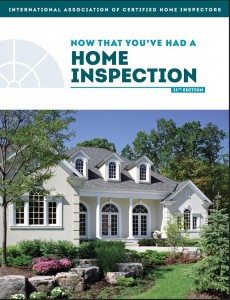 An inspection is just the start of keeping your home in good condition. With each inspection we offer a free book filled with home maintenance tips and other valuable information. Please