
Drastic reductions in energy costs can be achieved through very simple changes, most of which homeowners can do themselves.
Atlanta Air Conditioning Inspections: How Modern Technology Ensures HVAC Accuracy
June 29, 2026Did you know that nearly 70% of HVAC failures can be traced back to improper installation and maintenance? In a place like Atlanta, where heat can be relentless, ensuring your air conditioning system is functioning effectively isn’t just a convenience it’s essential for comfort and efficiency. Modern technology, such as infrared imaging and smart diagnostic tools, is revolutionizing how we approach air conditioning inspections. These innovations not only detect hidden issues but also provide invaluable insights. So, what are the critical benefits these advancements bring to your HVAC system’s performance and longevity?
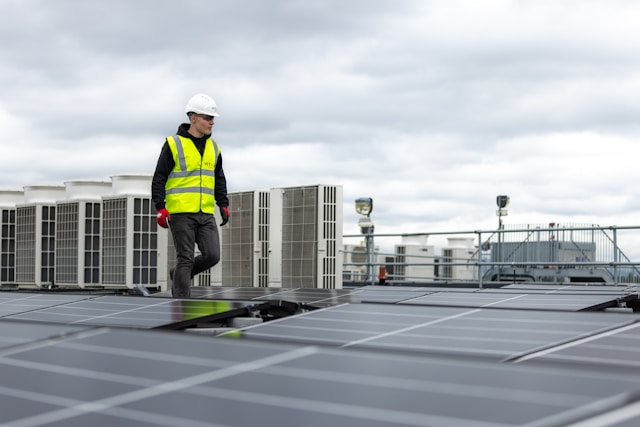
Atlanta Air Conditioning Inspections: How Modern Technology Ensures HVAC Accuracy
Modern Air conditioning inspection Atlanta leverage advanced technology to confirm HVAC accuracy and reliability. Using modern home inspection technology, certified inspectors conduct a thorough air conditioning inspection Atlanta residents can trust. This involves evaluating not just the air conditioning units, but also associated components like ductwork and thermostats.
To promote peak performance, inspectors utilize tools such as infrared cameras and thermal imaging equipment. These devices help identify airflow problems and temperature inconsistencies that traditional visual inspections might miss. An extensive HVAC efficiency check is conducted to analyze energy performance, allowing you to pinpoint duct leaks and energy inefficiencies that could raise utility bills.
Digital thermometers and hygrometers further aid in measuring air temperature and humidity levels, making certain that your system operates efficiently under varying conditions. Additionally, smart HVAC diagnostic systems provide real-time insights into your air conditioning unit’s performance. This level of detail facilitates informed decision-making regarding necessary repairs, maintenance, or upgrades. By embracing modern technology, Atlanta inspectors enhance their ability to confirm your HVAC system’s reliability and longevity, making sure you enjoy a comfortable indoor environment all year round.
Introduction: Importance of Accurate HVAC Inspections in Atlanta
Guaranteeing the accuracy of HVAC inspections in Atlanta is essential for maintaining excellent indoor air quality and energy efficiency. As a homeowner, you want to guarantee your residential heating and cooling systems operate effectively, avoiding high energy bills and subpar comfort levels. An accurate Atlanta air conditioning inspection will help identify any flaws in your HVAC system that may lead to inefficiencies or potential hazards.
Certified home inspectors in Atlanta employ modern technologies to conduct thorough evaluations of air conditioning units, furnaces, and ductwork. By utilizing tools like infrared cameras and digital thermometers, they can detect issues such as temperature inconsistencies and duct leaks that traditional methods might overlook. This detailed approach to residential HVAC inspection not only fosters energy efficiency but also prolongs the lifespan of your systems.
Moreover, understanding the significance of these inspections helps you make informed decisions about maintenance and repairs. Regular inspections can prevent costly breakdowns and enhance indoor comfort by guaranteeing peak performance. Trusting certified professionals to provide accurate assessments safeguards your investment and promotes a healthier living environment.
Role of Certified Home Inspectors in Evaluating Air Conditioning Systems
Certified home inspector Atlanta play an essential role in evaluating air conditioning systems, guaranteeing they operate at ideal performance levels. Their expertise is critical in implementing advanced HVAC inspection technology, enabling them to identify issues that could otherwise go unnoticed. During an inspection, they utilize tools like infrared cameras to detect temperature discrepancies and potential failures within the system.
One major focus in their evaluations is the smart thermostat inspection. This involves examining the thermostat’s functionality and connectivity, ensuring it accurately controls your home’s temperature. A malfunctioning thermostat can lead to energy inefficiencies and discomfort.
Additionally, ductwork inspection in Atlanta is essential. Inspectors check for leaks, blockages, and overall airflow efficiency. A thorough ductwork inspection guarantees that cool air is distributed effectively throughout your home, minimizing energy waste and optimizing performance.
Overview of Modern HVAC Technology Used During Inspections
Numerous advanced technologies are now essential to HVAC inspections, enhancing the ability to detect issues within heating and cooling systems. During a heat pump inspection in Atlanta, inspectors utilize digital thermometers and hygrometers to measure air temperature and humidity precisely. This data allows them to assess the performance of the heat pump effectively, ensuring ideal efficiency.
Furnace inspection services have also benefited from innovative tools. Inspectors employ smart HVAC diagnostic systems that provide real-time data about system performance. These systems analyze multiple parameters, including airflow and energy consumption, helping identify potential failures before they escalate.
Infrared cameras are vital in these inspections as well. While their primary use will be discussed later, it’s worth noting that they can identify temperature disparities in heating and cooling systems. Such insights are invaluable in diagnosing issues that wouldn’t be visible through traditional visual methods.
Thermal Imaging for Detecting Duct Leaks and Heat Loss
Thermal imaging has revolutionized the way duct leaks and heat loss are detected during HVAC inspections. This technology uses infrared cameras to visualize temperature differences in building envelopes and duct systems, allowing you to identify issues that would otherwise go unnoticed. When an HVAC system operates, heat loss can occur through poorly insulated or damaged ducts, leading to efficiency losses and increased energy bills.
By capturing thermal images, you can pinpoint specific areas where insulation barriers fail, revealing leaks that can compromise comfort and efficiency. For instance, a thermal camera detects warmer temperatures in walls or ceilings, indicating air escaping from ducts. This process not only saves time but enhances accuracy compared to traditional methods that often rely on guesswork.
During an inspection, you’ll appreciate the immediacy and clarity thermal imaging provides. The visual data helps you make informed decisions regarding repairs and upgrades, ensuring your HVAC system operates at peak performance. Investing in technology like this means you can address duct leakage and heat loss issues promptly, ultimately enhancing energy efficiency and maintaining a comfortable home environment.
Digital Thermometers and Hygrometers for Accurate Temperature and Humidity Measurements
Effective HVAC inspections rely not only on advanced imaging technologies but also on accurate measurement tools like digital thermometers and hygrometers. These instruments are essential for precise temperature and humidity readings within your HVAC system, guaranteeing peak performance and energy efficiency.
Digital thermometers allow you to monitor air temperature at various points in your system, helping you identify fluctuations that may indicate inefficiencies or potential failures. With rapid response times and high accuracy, they often feature built-in data logging capabilities, so you can track changes over time.
Hygrometers measure the moisture content in the air, giving you valuable insights into humidity levels that affect comfort and air quality. High humidity can lead to mold growth and other air quality issues, while low humidity may cause discomfort and health concerns. Utilizing a digital hygrometer during inspections enables you to assess whether the HVAC system maintains appropriate humidity levels for peak performance.
Together, these tools enhance the diagnostic capabilities of HVAC inspections, allowing you to make data-driven decisions regarding system maintenance and improvements. By incorporating digital thermometers and hygrometers into your inspections, you guarantee an all-encompassing evaluation of your HVAC performance.
Smart Thermostat Evaluation and Integration with HVAC Systems
Many homeowners are increasingly recognizing the value of smart thermostats as integral components of modern HVAC systems. These devices offer advanced features like programmable scheduling, remote access, and adaptive learning, enhancing control and efficiency. When you evaluate a smart thermostat during an HVAC inspection, it’s essential to assess its compatibility with existing systems. Most smart thermostats integrate seamlessly with various HVAC setups, provided they’re compatible with the voltage and wiring configurations.
To guarantee accurate performance, check the thermostat’s installation, calibration settings, and software updates. Misconfigured settings can lead to inefficient system performance and increased energy consumption. Additionally, assess the device’s ability to communicate with HVAC components, which helps in real-time monitoring and diagnostic reporting.
Integration with mobile applications is another critical aspect. This functionality enables you to track energy usage patterns, adjust temperatures remotely, and receive maintenance reminders, which aids in prolonging system lifespan. By combining these smart solutions with traditional HVAC evaluations, you can achieve superior climate control, energy savings, and system reliability, ultimately enhancing your home’s comfort and efficiency.
Assessing Airflow, Ventilation, and Ductwork Efficiency
When it comes to evaluating airflow, ventilation, and ductwork efficiency, you can’t overlook the importance of an extensive evaluation. Proper airflow is essential for maintaining your home’s comfort and energy efficiency. Using advanced tools like thermal imaging and digital anemometers, you can identify areas with airflow obstructions, temperature imbalances, or inadequate ventilation.
Start by examining the ductwork’s condition; look for leaks, blockages, or improper insulation, which can greatly impact efficiency. With an infrared camera, you can visualize temperature differences that indicate leaks or poor insulation, helping you pinpoint problem areas accurately. Furthermore, measuring airflow at vents is important. This guarantees that each room receives sufficient conditioned air without excessive energy loss.
Additionally, evaluating your system’s ventilation is key. Poor ventilation can lead to moisture buildup and indoor air quality issues. Confirming that fresh air enters your home while stale air exits is crucial for a healthy living space. By employing modern diagnostic tools and conducting a thorough review, you can identify inefficiencies in your HVAC system, ensuring peak airflow and comfort throughout your home. Remember, timely evaluations prevent costly repairs and enhance overall system longevity.
Checking Refrigerant Levels, Compressor Functionality, and System Performance
A thorough check of refrigerant levels, compressor functionality, and overall system performance is vital for ideal HVAC operation. You need to verify that the refrigerant charge matches manufacturer specifications; too much or too little can lead to inefficient cooling and potential system damage. Using precise diagnostic tools, you can measure the refrigerant pressure and confirm that it’s within optimal ranges.
Next, examine the compressor’s performance. This component is essential for circulating refrigerant throughout the system. You should listen for unusual noises, check electrical connections, and assess the compressor’s temperature; these factors all contribute to efficient operation. Moreover, you can employ smart diagnostic systems that provide real-time analysis, helping to pinpoint issues quickly.
Lastly, evaluate the entire system’s overall performance. Monitor the airflow and temperature differential between the return and supply vents to verify the system is delivering optimal cooling. Any abnormal readings may indicate a need for further investigation or servicing. By completing these checks, you can ascertain that your HVAC system operates efficiently, reducing energy costs and extending the life of your unit.
Identifying Common HVAC Issues: Inconsistent Cooling, Leaks, and Energy Inefficiency
Numerous homeowners encounter common HVAC issues such as inconsistent cooling, duct leaks, and energy inefficiency that can compromise comfort and increase utility bills. Inconsistent cooling often stems from inadequate airflow, which might be caused by dirty air filters, blocked vents, or faulty thermostats. If you notice temperature disparities between rooms, it’s essential to investigate and rectify these airflow problems to maintain a balanced system.
Duct leaks can severely impact efficiency, allowing cooled or heated air to escape and mix with unconditioned air. To detect these leaks, modern inspection technology like infrared cameras is used, enabling you to pinpoint areas that may need sealing. Any gaps or cracks in the ductwork contribute to energy loss, raising your electricity costs and straining the HVAC system.
Energy inefficiency often results from age, lack of maintenance, or insufficient insulation. You may find that outmoded systems consume more energy, stressing the importance of regular inspections to ascertain your HVAC components are functioning at peak performance. By addressing these issues promptly, you not only enhance comfort but also improve your home’s overall energy efficiency, which can lead to significant savings in the long run.
Benefits of Technology-Enhanced HVAC Inspections for Homeowners
Experience the advantages of technology-enhanced HVAC inspections, which provide homeowners with a deeper, more accurate understanding of their heating and cooling systems. These modern methods utilize advanced tools like infrared cameras and thermal imaging equipment, allowing you to detect hidden issues that traditional inspections often miss. This level of detail means you can pinpoint problems such as ductwork leaks and temperature inconsistencies before they escalate, potentially saving you significant repair costs.
Additionally, smart HVAC diagnostic systems offer real-time data insights, helping you track energy efficiency and overall performance. With digital thermometers and hygrometers, you can monitor humidity and temperature fluctuations, ensuring ideal comfort levels in your home.
How Detailed Reports with Photos Improve Understanding and Maintenance Planning
Detailed reports with accompanying photos greatly enhance your understanding of HVAC system conditions and facilitate effective maintenance planning. When inspectors conduct an evaluation, they compile thorough written documentation alongside visual evidence that clearly illustrates specific issues. These reports allow you to see exactly what’s happening within your system, making it easier to grasp complex technical data.
For instance, if an inspector identifies duct leaks or problematic components, detailed photographs capture the exact locations and conditions observed. This visual representation helps eliminate any ambiguity about what needs attention. You’ll no longer rely solely on verbal explanations; instead, you can reference clear images that show the issues firsthand.
Additionally, these reports often highlight areas that may require preventive measures, allowing you to plan maintenance proactively. By understanding the current condition of each component through this thorough approach, you can prioritize tasks based on severity and urgency.
Ultimately, comprehensive reports with photos not only inform you about your HVAC system’s status but also empower you to make well-founded decisions regarding its upkeep. This clarity fosters a more structured maintenance plan, ensuring your system continues to operate efficiently and reliably.
Recommendations for Repair, Maintenance, or System Upgrades
A thorough HVAC inspection often reveals specific recommendations for repair, maintenance, or system upgrades tailored to enhance your system’s performance. Depending on the findings of your inspection, you might need to replace worn-out components such as capacitors, contactors, or fan motors to restore efficiency. Frequent air filter changes are vital—neglecting this can clog airflow and reduce overall system performance.
Furthermore, consider scheduling regular maintenance visits. These should include cleaning and lubricating parts, checking refrigerant levels, and examining electrical connections. If leaks in ductwork are identified, sealing these gaps is essential to prevent energy loss. Upgrading to a programmable thermostat can also optimize your system’s scheduling, ensuring it operates only when needed.
In cases where your unit is aging or incompatible with modern energy standards, investing in a high-efficiency HVAC system might be advisable. This upgrade not only improves comfort levels but can also lead to significant long-term savings on energy bills. Addressing these recommendations promptly will help maintain an adequately functioning HVAC system, providing you with reliable heating and cooling year-round.
Energy Efficiency Considerations and Cost-Saving Opportunities
Following your HVAC inspection, addressing repair recommendations not only enhances performance but also opens up avenues for energy efficiency and cost savings. Incorporating modern technology during the inspection allows you to pinpoint inefficiencies that drain energy and escalate utility bills. For instance, sealing duct leaks can markedly improve airflow, reducing the workload on your system and decreasing energy consumption.
Additionally, ensuring your thermostat functions efficiently can lead to better temperature regulation, consequently preventing energy wastage. Upgrading to a smart thermostat can further enhance efficiency by allowing you to program heating and cooling schedules based on your lifestyle. This results in not only comfort but also reduced costs.
Investing in regular maintenance, such as cleaning or replacing filters, can prevent clogs that impede airflow, ultimately improving your system’s energy efficiency. If your inspection reveals that your system is outdated, consider replacing it with a high-efficiency model. Energy Star-rated equipment consumes less energy, saving you money in the long run while benefiting the environment.
Ultimately, these adjustments derived from your inspection can lead to considerable long-term savings and improve your HVAC system’s overall efficiency.
Conclusion
With the integration of modern inspection technology, verifying reliable HVAC performance has never been more attainable. By utilizing sophisticated tools such as infrared cameras, thermal imaging devices, and digital thermometers, you can assess your system with unparalleled accuracy. These technologies allow you to pinpoint issues like duct leaks, airflow inefficiencies, and temperature inconsistencies that traditional methods might overlook.
Through extensive analysis using smart HVAC diagnostic systems, you can identify energy inefficiencies and potential system failures before they escalate into costly repairs. This proactive approach not only enhances the safety and efficacy of your HVAC system but also extends its lifespan. A certified home inspector, like those from Greene Home Inspection, guarantees that you receive detailed findings that empower you to make informed decisions regarding maintenance and repairs.
In today’s competitive real estate market, reliable HVAC performance is essential. By leveraging modern inspection technology, you can assure maximum comfort and efficiency within your home. This commitment to thorough evaluation ultimately leads to lower energy costs and improved indoor air quality, making it an essential aspect of responsible homeownership in Atlanta. Investing in these inspections is an investment in your home’s future.
 An inspection is just the start of keeping your home in good condition. With each inspection we offer a free book filled with home maintenance tips and other valuable information. Please