
Drastic reductions in energy costs can be achieved through very simple changes, most of which homeowners can do themselves.
A Complete Guide to Plumbing and Electrical Inspections in Dunwoody Homes
June 15, 2026Plumbing and electrical inspections are essential steps for homeowners in Dunwoody to guarantee their systems operate safely and efficiently. When you’re considering Plumbing and electrical inspection Dunwoody, it’s vital to engage a Certified home inspector Atlanta. These professionals conduct thorough evaluations of your home’s plumbing and electrical components.
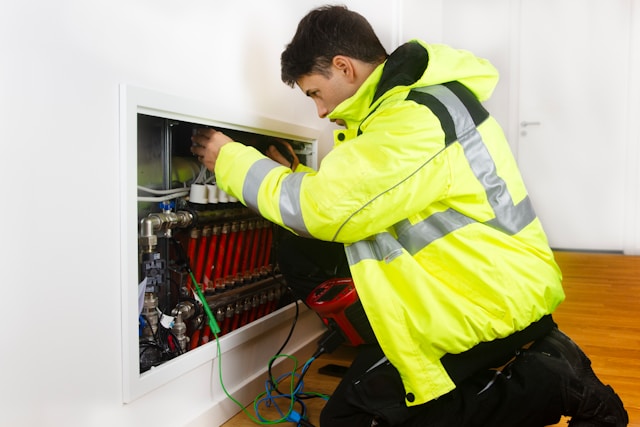
During the plumbing inspection, your inspector will check water supply lines, drainpipes, and water heaters to identify leaks, corrosion, and blockages. Fixtures and shut-off valves are also scrutinized for functionality and safety. Meanwhile, the electrical safety evaluation focuses on your home’s wiring, circuit breakers, and electrical panels. Inspectors will assess GFCI and AFCI outlets, ensuring your electrical system adheres to current safety standards.
The findings from these inspections result in a detailed report that includes potential deficiencies, repair recommendations, and ongoing maintenance tips. This precise documentation can provide you with peace of mind, allowing you to maintain a safe and functional home environment. By prioritizing these inspections, you’re not just ensuring compliance but also safeguarding your investment, ultimately enhancing your home’s value and safety.
Introduction
When it comes to safeguarding your investment in a home, thorough inspections of plumbing and electrical systems are vital for both homeowners and buyers. A Dunwoody plumbing inspection evaluates key components, including water supply lines, drainpipes, and fixtures. These assessments can uncover issues like leaks, corrosion, or blockages that could lead to costly repairs if left unaddressed.
Equally important is the Dunwoody electrical inspection, which reviews wiring, circuit breakers, and outlets for safety compliance. This inspection guarantees that the electrical system is not only functional but also safe, protecting you from potential hazards like electrical fires or faulty wiring.
For buyers, a Pre-purchase home inspection Atlanta that includes both plumbing and electrical elements is essential. It provides a thorough understanding of the property’s condition and helps you make informed decisions. For existing homeowners, regular inspections serve as a preventive measure, guaranteeing that both systems function effectively and comply with safety standards. By prioritizing these inspections, you enhance the longevity and safety of your home—an investment that ultimately pays off in peace of mind and property value.
Overview of Greene Home Inspection Services in Dunwoody
With decades of experience in the Atlanta area, Greene Home Inspection is dedicated to delivering thorough assessments of both plumbing and electrical systems in Dunwoody homes. When you request a Residential property inspection in Dunwoody, our certified inspectors meticulously evaluate every aspect of your home’s plumbing and electrical systems. This includes scrutinizing water supply lines, drainage systems, circuit breakers, wiring, and fixtures for any signs of wear or potential hazards.
Our extensive inspections culminate in a detailed home inspection report in Dunwoody, providing you with clear documentation of your property’s current condition. This report outlines any deficiencies, repair recommendations, and critical safety alerts, guaranteeing that you have a complete understanding of your home’s state.
For buyers, our services extend to conducting safety inspections that are tailored to protect your investment. Greene Home Inspection prioritizes your safety and peace of mind, which is why we include color photographs and expert insights with our reports. Whether you’re purchasing or maintaining your home, our goal is to make sure you’re informed and equipped to make the best decisions regarding your property.
Key Plumbing Components: Water Supply Lines, Fixtures, Water Heaters, and Drainage Systems
Understanding the key plumbing components in your home is crucial for maintaining a safe and functional environment. Water supply lines deliver fresh water from the municipal source into your home, comprising pipes usually made from copper, PEX, or PVC. Regular plumbing system maintenance can help prevent leaks and guarantee pressure is adequate.
Fixtures, such as sinks, toilets, and bathtubs, are integral to your plumbing system. You’ll want to check for signs of wear and secure connections to avoid potential electrical and plumbing issues in homes. Water heaters, which can be tank or tankless, warm your water for daily use. It’s essential to monitor the temperature and the anode rod, as these components contribute to the efficiency and longevity of the unit.
Common Plumbing Issues: Leaks, Blockages, Corrosion, and Sewer Line Damage
Plumbing systems can run into a variety of common issues that, if not addressed promptly, may escalate into significant problems. Leaks are one of the most prevalent issues, often originating from worn-out fixtures, faulty seals, or corroded pipes. Even a small leak can cause considerable water damage and lead to mold growth if neglected.
Blockages can occur in drainpipes due to a buildup of grease, hair, or foreign objects, which can affect water flow and cause backups. If you notice slow drainage, it’s vital to investigate immediately.
Corrosion is another concern, particularly in older homes with galvanized pipes. Corroded pipes can result in reduced water pressure and potential leaks. Water quality may also degrade due to rust and debris entering the system.
Sewer line damage is a serious issue that can lead to sewage backups or environmental hazards. Signs include unusual odors, soggy areas in your yard, or multiple drains backing up at once. Timely identification and remediation of these plumbing problems are essential to maintaining a healthy and functioning home.
Plumbing Inspection Best Practices and Recommendations
A thorough plumbing inspection is critical for safeguarding your home against potential water-related issues. Start by checking visible pipes for signs of leaks, corrosion, or deterioration. Pay particular attention to joints and seams where problems are most likely to occur. Test your water pressure; it should typically range between 40-60 psi. Abnormally high or low readings could indicate hidden issues.
Don’t forget to inspect your water heater. Look for signs of leakage, rust, or mineral buildup, which can compromise efficiency and lifespan. Assess the age of the unit; typically, water heaters should be replaced every 10-15 years.
Evaluate all fixtures, including faucets and toilets, for functionality. Check for leaks around the base of toilets and ascertain they flush properly without wasting water. For drains, run water to confirm there are no blockages and that water flows freely.
Key Electrical Components: Panels, Circuit Breakers, Wiring, Outlets, GFCI, and AFCI Devices
Key electrical components play an essential role in guaranteeing the safety and functionality of your home’s electrical system. Understanding these elements will help you maintain a secure and efficient environment.
Your electrical panel acts as the central hub, distributing power throughout your home. It’s vital to regularly inspect it for signs of wear or damage. Circuit breakers safeguard your home from overloads; if they trip frequently, it might indicate a deeper issue.
Wiring—particularly in older homes—can be a significant concern. Confirm the wiring is up to code and free from fraying or exposure, as this can lead to short circuits or fires.
Outlets are another key component. Look for any signs of damage or improper installation, like loose fittings or scorch marks.
Ground Fault Circuit Interrupters (GFCI) are essential in damp areas like kitchens and bathrooms, offering protection against electrical shock. Arc Fault Circuit Interrupters (AFCI) help prevent electrical fires by interrupting current in faulty circuits.
Common Electrical Issues: Faulty Wiring, Overloaded Circuits, Unsafe Panels, and Missing Outlets
Electrical systems can often reveal hidden dangers that pose risks to your home’s safety and efficiency. One common issue is faulty wiring, which can stem from outdated installation, damage, or improper connections. This can lead to overheating, short circuits, or even electrical fires. You should also watch for overloaded circuits—when too many devices draw power from a single circuit, it can cause tripped breakers or worse, a fire hazard due to overheating.
Unsafe electrical panels are another red flag. If your panel’s components are rusted, cracked, or showing signs of arcing, it’s essential to address these concerns immediately. Additionally, an insufficient number of outlets can lead you to use extension cords that may not be rated for the load, increasing the risk of overloading.
Ensuring your home’s electrical system is in top condition is imperative for safety. A thorough inspection can help identify these common issues, providing recommendations for repairs or upgrades to mitigate risks effectively. Don’t hesitate to get a professional’s help if you suspect any of these problems in your home. Your family’s safety depends on it.
Electrical Safety Inspections and Code Compliance
Safety is paramount when it comes to your home’s electrical system, making periodic electrical safety inspections vital. These inspections help guarantee that your electrical installations comply with local and national codes, reducing the risk of hazards like electrical fires and electrocution.
During an inspection, qualified professionals assess your entire electrical system, checking for potential deficiencies such as outdated wiring, improper grounding, and malfunctioning circuit breakers. They’ll examine your electrical panel to verify that it’s up to code, ensuring that it’s equipped to handle the load without risk of overload. Inspectors also audit GFCI (Ground Fault Circuit Interrupter) and AFCI (Arc Fault Circuit Interrupter) outlets, which are essential for preventing shock and fire hazards.
Additionally, they will inspect for any exposed wires or frayed cords, a common source of electrical failures. Compliance with the National Electrical Code (NEC) is critical; failing to meet these standards can lead to safety violations and impact your home’s insurance coverage. By prioritizing electrical safety inspections, you’re not just protecting your property but also guaranteeing the safety of everyone who lives in or visits your home.
Integrating Plumbing and Electrical Findings into a Home Inspection Report
In any thorough home inspection, integrating plumbing and electrical findings is essential for providing a complete picture of a property’s condition. Both systems work together to guarantee functionality and safety, and identifying their interactions can reveal significant issues. You’ll want to note any plumbing deficiencies such as leaks in supply lines or corrosion in drainpipes, as these can lead to electrical hazards, especially when water intrusion occurs near electrical systems.
In your inspection report, categorize findings by system—plumbing and electrical—highlighting key deficiencies like malfunctioning outlets or hazardous wiring alongside plumbing leaks or outdated fixtures. Include specific repair recommendations tied to each finding, assuring clarity for potential buyers or homeowners.
Consider using color photos to visually document issues; this will enhance the report’s impact and help clients grasp the severity of problems detected. Additionally, provide context for how plumbing issues may result in electrical complications, advising on necessary prioritizations for repairs. By cohesively integrating plumbing and electrical insights, you create an extensive analysis that empowers homeowners or prospective buyers to make informed decisions about their investment in the property.
Benefits of Thorough Inspections for Buyers: Safety, Maintenance, and Informed Decisions
When you plunge into the process of purchasing a home, thorough inspections can make all the difference in ensuring a wise investment. Plumbing and electrical inspections specifically highlight potential safety hazards and maintenance requirements that may not be visible to the untrained eye. You’ll want to assess the condition of water supply lines, drainpipes, and wiring to avoid costly surprises after the sale.
Inspections can reveal critical issues like outdated electrical panels or deteriorating plumbing fixtures, which could pose safety risks. A certified inspector will provide a detailed report, outlining deficiencies and necessary repairs, allowing you to understand the home’s condition fully. This information lets you negotiate repairs or price adjustments with sellers, ensuring you’re not left with unexpected expenses post-purchase.
Moreover, knowing the maintenance needs of a home can set clear expectations for upkeep. You’ll be empowered to make informed decisions about your investment, ensuring that it meets your safety and functionality standards. Ultimately, thorough inspections pave the way for peace of mind, allowing you to proceed with confidence in your home purchase.
Benefits for Homeowners: Preventive Maintenance and Reduced Repair Costs
For homeowners, investing in regular plumbing and electrical inspections can mean the difference between minor upkeep and major repairs down the line. By addressing issues before they escalate, you’re not only securing the safety of your household but also preserving the integrity of your home’s systems. Inspections highlight potential problems like corroded pipes or faulty wiring, allowing you to tackle them early and prevent costly emergencies.
Routine inspections can greatly reduce potential repair costs. For instance, a small leak detected during an assessment can be fixed for a fraction of the cost compared to extensive water damage that could arise from ignoring it. Similarly, identifying outdated electrical components can prevent hazardous situations, ultimately saving you money on higher insurance premiums and litigation in the case of an electrical fire.
Furthermore, many insurance companies favor homes with documented maintenance records, which can lead to lower premiums. With the expert guidance from a certified inspector, you’ll receive actionable recommendations tailored specifically to your home’s needs. This proactive approach keeps your systems running smoothly, extends their lifespan, and secures your home remains a safe, comfortable place to live.
How to Prioritize Repairs and Plan Future Maintenance
Prioritizing repairs and planning future maintenance can feel overwhelming, but breaking it down into actionable steps simplifies the process. Start by reviewing the inspection report in detail. Identify items marked as urgent or high priority, such as leaks, electrical hazards, or corrosion, and tackle these first. Next, categorize remaining repairs by severity and potential impact on your home’s functionality. For example, faulty GFCI outlets should be addressed before aesthetic issues like paint or trim.
Once you’ve prioritized repairs, create a timeline for completion. Allocate resources, whether it’s your time or budget, and set deadlines based on urgency and availability of professionals. Develop a maintenance schedule that addresses seasonal needs, like HVAC checks before summer or plumbing inspections before winter.
Consider the lifespan of each system and component; planning major replacements, such as water heaters or wiring, will help you avoid unexpected expenses. Finally, document everything for future reference. This record will keep you organized and guarantee you stay on top of necessary repairs and maintenance, helping maintain a safe and functional home in Dunwoody for years to come.
Conclusion
Performing thorough plumbing and electrical inspections is vital for guaranteeing your home in Dunwoody remains safe and functional. These inspections provide significant insights into the condition of your home’s systems, helping you identify potential hazards and areas in need of repair. A certified inspector will examine your plumbing for issues like leaks, corrosion, and blockages, evaluating everything from water supply lines to sewer lines. Likewise, electrical inspections review key components like circuit breakers, wiring integrity, and outlet safety, focusing on GFCI and AFCI functionality.
 An inspection is just the start of keeping your home in good condition. With each inspection we offer a free book filled with home maintenance tips and other valuable information. Please